
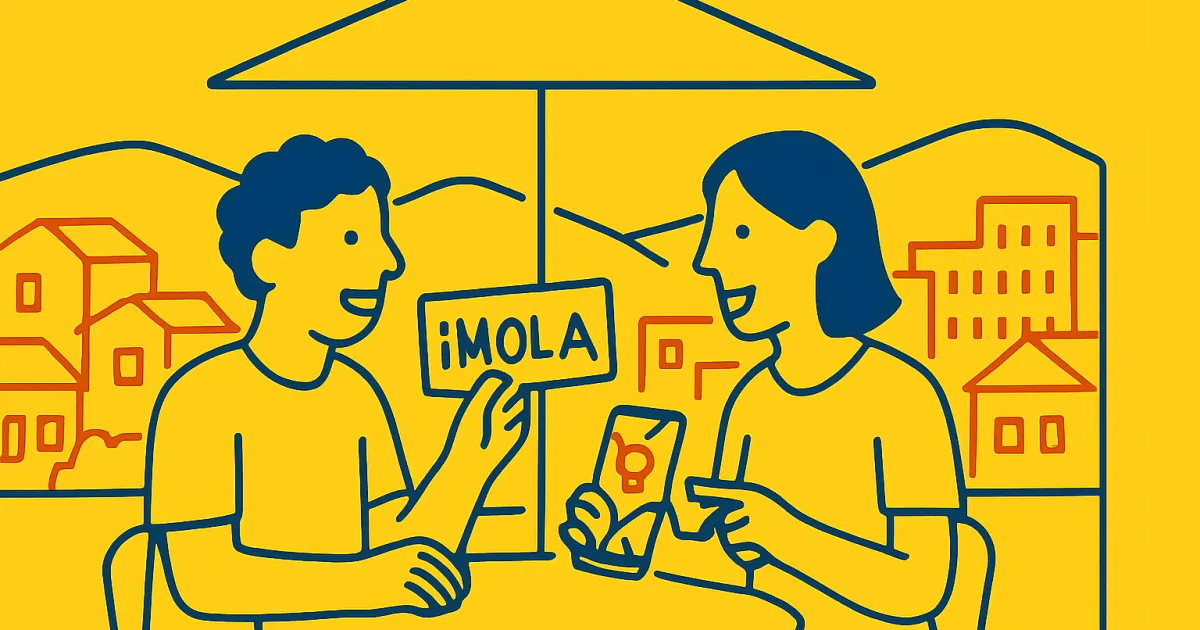
Start here: why survival Spanish matters in Medellín
If you're planning a trip to Medellín, learning a short, practical survival Spanish phrase list will make the difference between feeling lost and enjoying real conversations with locals. You don't need to be fluent — you need a small toolkit of polite phrases, questions for directions, money and transport language, and a few Paisa (Medellín) words that open doors. This article shows exactly what to learn, why each phrase helps, and how to practice fast before your flight.
Quick checklist: the 10 survival phrases to memorize first
- Hola / Buenos días / Buenas tardes — simple greetings. Use the correct daypart.
- No hablo mucho español — honest and useful; follow with ¿Habla inglés? if needed.
- ¿Cuánto cuesta? — how much is it? Essential for markets and shops.
- ¿Dónde está…? — where is…? (follow with landmarks or street names)
- Una, por favor / La cuenta, por favor — ordering and asking for the bill.
- Por favor / Gracias / Con mucho gusto — polite core vocabulary. Note: Paisas often say "con mucho gusto" instead of "de nada."
- ¿Puede ayudarme? — can you help me? Good for lost-phone or small emergencies.
- No doy papaya — a local safety phrase meaning "don’t make yourself a target" (learn the behavior behind it).
- Un taxi / Uber al aeropuerto, por favor — simple transport request; use the address, not only the name.
- Estoy perdido(a) — I’m lost; follow with ¿me puede indicar cuántas cuadras?
Why these phrases first?
They cover polite social openings, basic transactions, directions, and a short safety mindset. In Colombia — and especially in Medellín — politeness and tone are as important as vocabulary. A brief apology or a "por favor" often smooths a busy transaction in a market or with a taxi driver.
Local flavor: Paisa words worth knowing
Medellín’s regional dialect is called Paisa. You don't need to use all slang, but dropping one or two Paisa words shows respect and usually gets smiles. A few to learn:
- Parce / Parcero(a) — buddy or friend; very common and friendly.
- Tinto — a small black coffee (ordering "un tinto" gets you local coffee, not the oversized cup cafeterías sometimes serve).
- Qué más? — casual "what’s up" greeting.
- No dar papaya — street-smart advice: don’t make yourself an easy target.
Money and prices: how to ask and pay
Money language is one of the most practical survival needs. Practice these lines:
- “¿Cuánto cuesta esto?” — How much is this?
- “¿Acepta tarjeta?” — Do you accept cards?
- “¿Cuánto me devuelve?” — How much change will I get back?
Tip: many small vendors prefer cash. Carry a mix of small bills (pesos) for markets and transport. If you need to check official entry/exit requirements or safety advisories before you go, consult the U.S. Department of State travel guidance for Colombia for the latest safety and entry information: https://travel.state.gov/en/international-travel/travel-advisories/colombia.html.
Transport and navigation: short scripts to use
Getting around Medellín is easier if you can name the neighborhood and ask clearly. Use:
- “Al aeropuerto, por favor.”
- “¿Cuánto al centro / a El Poblado / a Laureles?”
- “Pare aquí, por favor.” (Ask the driver to stop.)
- “¿Cómo llego al metro?” — How do I get to the metro?
When using Uber, include the address and check the license plate before you get in. If you use official taxis, ask the driver to use the meter or agree a price before starting the ride.
Ordering food and drinks: short scripts that work
Ordering is one of the highest-reward places to use Spanish. Learn:
- “Quisiera esto, por favor.” — I’d like this, please.
- “Sin cilantro, por favor.” — If you have a dislike/allergy; Colombians often cook with cilantro.
- “La cuenta, por favor.” — The bill, please.
Watch the local menu ordering order: asking for recommendations — “¿Qué me recomienda?” — often leads to the best local dish and an immediate conversation starter.
Practice strategies: how to learn these fast
- Audio-first approach: listen and repeat. Use short audio loops (one phrase per clip) and practice aloud until the phrase feels natural.
- Phrase cards on your phone: save the 20 survival lines as text and audio so you can play them offline while traveling.
- Role-play two-minute drills: practice with a friend: one is the cashier, the other the traveler. Short scenes stick better than lists.
- Watch local videos: small, context-rich videos of Medellín conversations (airport, taxi, café) will tune your ear to Paisa rhythm and common expressions.
Common mistakes and how to avoid them
- Over-translating: Don’t try to translate idioms word-for-word. Learn phrases as packaged expressions.
- Politeness errors: Skipping "por favor" and "gracias" can make short interactions awkward.
- Using slang too early: Using "parce" or "qué chimba" as a joke can backfire if your tone isn’t natural — try one friendly Paisa word and mirror locals’ responses.
Next steps
Memorize the 10 survival phrases, practice with two-minute audio drills, and watch a short episode of real travel Spanish to see the phrases used naturally. For a focused video that demonstrates 50 real phrases used around Medellín — airport, taxi, hotel issues, food, and getting lost — watch the Fluent Spanglish episode “Solo Travel Spanish — 50 Real Phrases in Medellín.” The episode pairs each phrase with a real situation and short audio you can imitate.
Useful internal reading
If you want a deeper guide to how much Spanish you really need for Medellín, read our post How Much Spanish Do You Actually Need to Visit or Move to Medellín? for planning tips and long-term language steps. Also see our practical safety-and-phrase guide Survival Spanish + Safety Habits for Visiting Medellín: What to Say, What to Do.
Learning a short, practical survival Spanish toolkit will change your trip from transactional to conversational. Medellín’s Paisas reward even small, sincere attempts — so pack these phrases, practice them aloud, and enjoy the city with a little more confidence.
Frequently Asked Questions
What are the absolute must-know Spanish phrases before landing in Medellín?
Memorize greetings (Hola / Buenos días), No hablo mucho español, ¿Habla inglés?, ¿Cuánto cuesta?, ¿Dónde está...?, La cuenta por favor, Por favor / Gracias, ¿Puede ayudarme?, Estoy perdido(a), and Un taxi/al aeropuerto por favor.
Is it possible to get around Medellín speaking only English?
In tourist-heavy areas and El Poblado you'll find English speakers, but relying only on English limits your options. Learning survival Spanish makes taxis, markets, cheap restaurants, and local interactions easier and safer.
What does 'no dar papaya' mean and why is it important?
No dar papaya literally means "don’t give papaya" and is local advice to avoid making yourself an easy target—keep valuables out of sight, be aware of your surroundings, and refuse unsolicited help with your bags or phone.
How can I practice these phrases quickly before my trip?
Use short audio loops (phrase-by-phrase), role-play two-minute drills with a friend, save phrase cards with audio on your phone, and watch short travel Spanish videos that pair phrases with situations.
Are Paisa slang words necessary to fit in with locals?
No, but using one or two (like 'parce' or 'tinto') can be a friendly bridge. Be cautious with slang tone — start with polite phrases and add a Paisa word once you’re comfortable.
What should I do if I have an emergency and don’t speak Spanish?
Use '¿Puede ayudarme?' to attract help, show the emergency word (e.g., 'médico' or 'policía') on your phone, and if needed present your location on a map. Also keep emergency numbers and your embassy info accessible.